


The Director's Corner
The Director's Corner
April 28, 2026
As the Academic Year Closes, Looking Ahead With Purpose
And so another academic year is coming to a close. Final examinations are well underway, with all the jarring rhythms of this week. Some students, having run the gauntlet of examinations, final papers and projects, already are relaxing and rejoicing, while others are still deeply immersed in the urgent concentrations of studying. At the same time, the campus and town are busy with the activities of packing, gathering and celebrating, as students prepare to leave their dorm rooms and apartments for the summer, or for good, preparing for graduation and their lives beyond the university.
In two days I will enjoy the great pleasure of conferring medals to many of our 412 graduates — our largest graduating class ever — who have earned one of our four Honors distinctions: Honors Scholar, University Honors Scholar, Research Scholar and University Research Scholar.
To our graduates: I am so proud of you. It has been an enormous privilege to support you in your education. You were all fully ensconced in your studies when I started in this position two years ago, and I have learned a great deal from my encounters with you in classrooms, in Cater Hall and in the Honors College’s events and programming. You have all managed many challenges during your years at Auburn, starting with your matriculation during the COVID-19 pandemic, and even if it did not feel this way to you in every moment, you have walked with grace through those challenges, coming into a fuller awareness of your abilities and strengths through this process. You have worked hard, and you have epitomized both the virtues embraced by the Auburn Creed and the aspirations voiced by the Honors College’s mission statement, pursuing curiosity, community, purpose, opportunity and collaborations across the lines of scholarly discipline. I look forward to seeing how you change our world for the better.
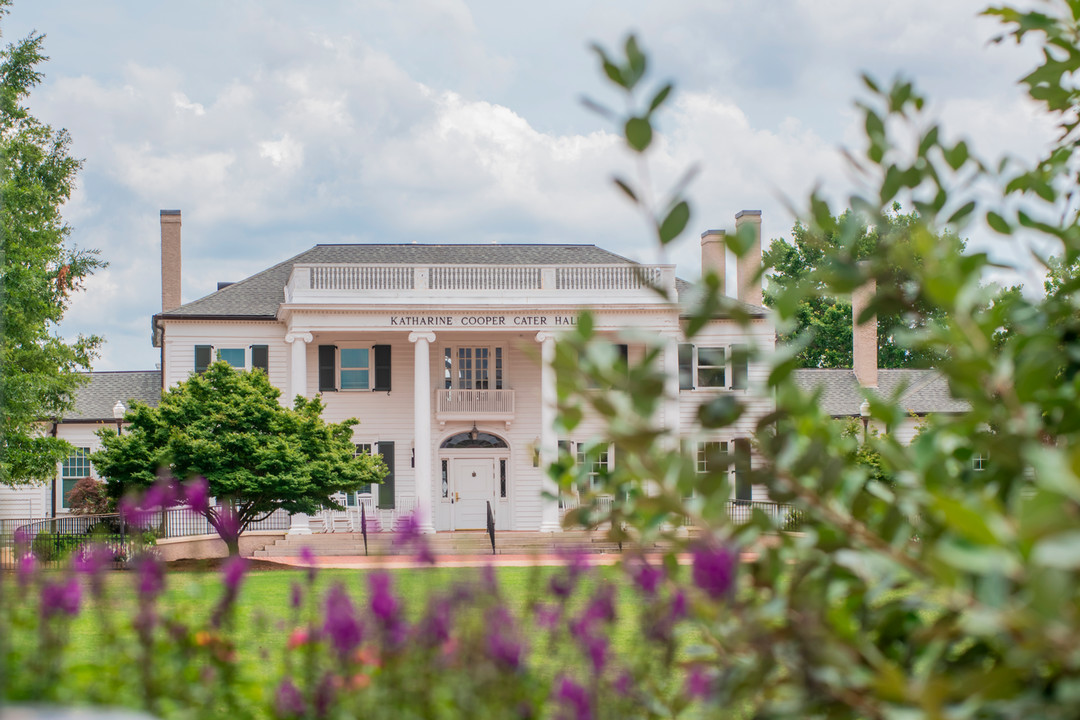
To all of our students, both those graduating and those returning to campus in the fall, I would like to reiterate a charge I delivered to our induction cohort of 2024, the first cohort I welcomed into the Honors College. This charge, a quotation from the Enlightenment philosopher Immanuel Kant, is, in English translation: Have courage to use your own reason.
My hope for all of you is that you will go through your lives with the courage to embrace the power of your intellect, to let your reasoning lead you, and to use your mind for the benefit of yourself and of your fellow humans. The world needs your sharp intellects, and it needs your bravery of thought, to address its many problems and further the conditions of flourishing everywhere.
Finally, I wish you all a season of joy, of connection with your friends or family, and of rest before you begin work or further studies this summer. You have earned this time. I look forward to welcoming back to campus all of our students who are not graduating, and I fervently hope that our graduates will remain connected with Auburn Honors throughout their lives. War Eagle!
Laura Stevens, Ph.D
Honors College Director
Professor of English